Welcome
Dear colleagues, dear friends, dear partners,
It is my great pleasure to welcome you to the THE 3R LÄND Conference 2027 / Org-BOOST International Organoid Meeting, taking place from 18–20 March 2027 in Ulm, Germany, under the title "Organoids in Ulm, around Ulm, and all around Ulm."
Organoids and advanced human model systems are transforming the way we study biology and disease. They enable increasingly predictive, personalized and ethically responsible research into human development, tissue regeneration, disease mechanisms and therapeutic responses. At the same time, they provide a powerful foundation for next-generation 3R strategies, by reducing, refining and, where possible, replacing animal experiments through more human-relevant models.
This meeting uniquely brings together three complementary initiatives. It continues the established THE 3R LÄND conference as a platform for responsible and innovative biomedical research while serving as the first major international conference of Org-BOOST (Organoid-Based mOdelling Of Solid Tumors), our newly funded DFG Research Training Group at Ulm University Medical Center. In addition, POTENTIAL, our Else Kröner-Fresenius Foundation-funded Physician Scientist School, contributes a strong translational and clinician-scientist perspective.
I am particularly delighted that we have already been able to confirmed an outstanding line-up of internationally renowned speakers, covering the full breadth of our meeting sessions — from stem cell biology, organoid engineering, cancer models, organ-on-chip technologies, imaging, single-cell multi-omics and AI-guided disease modelling. Through Org-BOOST, we aim to train a new generation of scientists and clinician scientists in organoid-based cancer research while fostering collaboration across stem cell biology, developmental biology, cancer research, patient-derived organoid models, organ-on-chip technology, bioengineering, synthetic matrices, high-resolution imaging, spatial biology, single-cell and multi-omics technologies, computational analytics and AI-guided disease modelling.
A particular strength of this meeting is its bridge-building character. We will bring together basic and translational scientists, clinicians, bioengineers, computational researchers, technology developers, early-career investigators, industry partners and stakeholders from the 3R community. The programme includes internationally leading invited speakers, selected abstract talks, poster sessions, early-career activities, Org-BOOST student events, THE 3R LÄND networking sessions and dedicated opportunities for exchange between academia, clinical research and industry.
With the addition of Org-BOOST and POTENTIAL, we expect approximately 400 participants from Germany, Europe and beyond, creating an outstanding platform for scientific exchange, new collaborations and future partnerships in one of the most dynamic fields of biomedical research. Participants will get access to cutting-edge science in organoid biology, human disease modelling, 3R innovation and computational medicine, while sponsors and partners will have a unique opportunity to engage with a growing international community at the interface of life sciences, medicine, technology.
Together, THE 3R LÄND, Org-BOOST and POTENTIAL will create a vibrant platform in Ulm for next-generation human model systems — from stem cells to organoids, from organ-on-chip to patient-derived cancer models, and from experimental biology to AI-guided precision medicine.
I very much look forward to welcoming you to Ulm in March 2027.
Director, Institute of Molecular Oncology and Stem Cell Biology
Spokesperson, DFG Research Training Group 3175 Org-BOOST
Spokesperson, EKFS Physician Scientist School POTENTIAL
Ulm University Medical Center
Our Speakers
International experts share their latest findings.
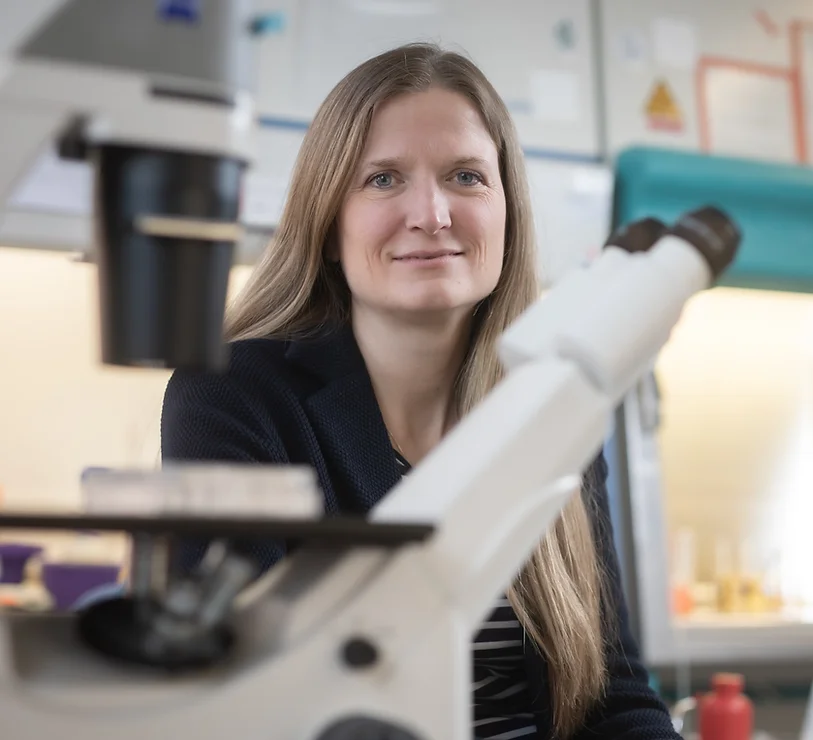
Sina Bartfeld
TU Berlin
Sina Bartfeld studies human organoids as models of infection biology, host–microbe interactions and epithelial responses in the gastrointestinal tract. Her work provides a strong link between organoid technology, microbiology and human-relevant 3R research.
www.bartfeldlab.com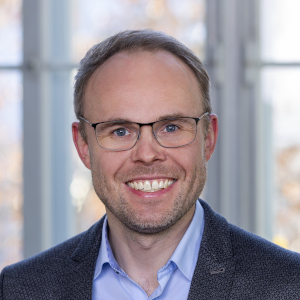
Christoph Bock
CeMM Research Center for Molecular
Medicine & MedUni Vienna
Christoph Bock is a leading expert in medical epigenomics, single-cell technologies and computational approaches to precision medicine. His work connects molecular profiling, cancer biology, immune regulation and data-driven biomedical discovery.
www.bocklab.org
Thorsten Boroviak
University of Cambridge
Thorsten Boroviak investigates early primate and human development using stem cell-based embryo models and high-resolution molecular approaches. His research provides fundamental insights into how embryonic cells organize into complex developmental structures.
www.stemcells.cam.ac.uk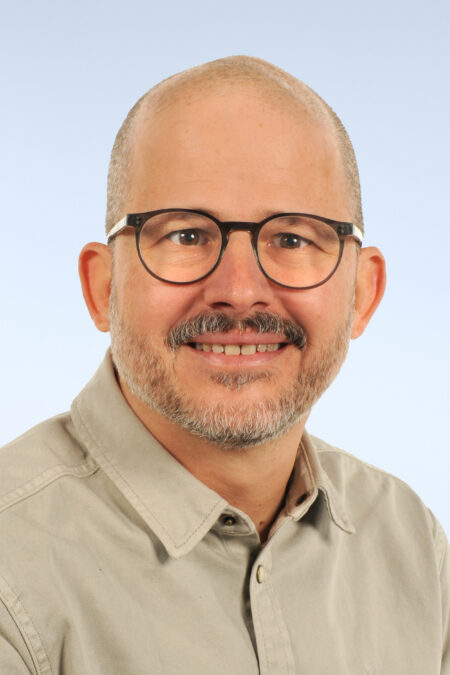
Ivan Costa
RWTH Aachen University
Ivan Costa develops computational methods for integrating single-cell, spatial and multimodal molecular data. His work helps translate complex datasets from model systems into mechanistic insights into human disease.
www.costalab.org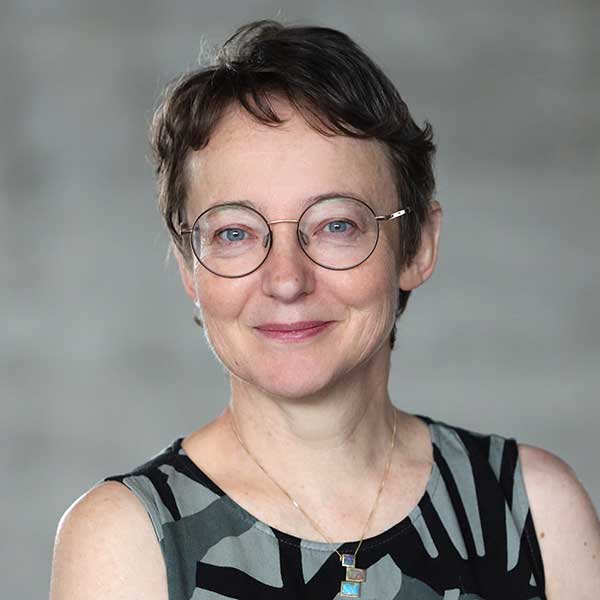
Anne Grapin-Botton
Max Planck Institute of Molecular Cell Biology and Genetics, Dresden
Anne Grapin-Botton studies how cells self-organize during organ formation, with a particular focus on pancreas development. Her organoid-based approaches provide important principles for understanding developmental biology, tissue architecture and disease.
www.mpi-cbg.de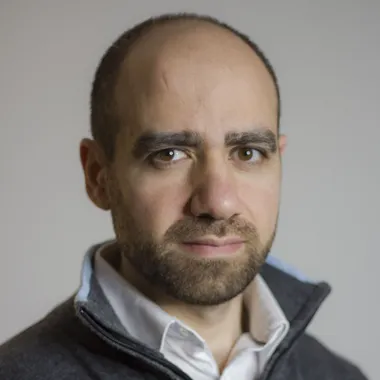
Bassam Hajj
Institut Curie, Paris
Bassam Hajj develops advanced optical microscopy and single-molecule imaging methods to study cellular and nuclear organization. His work brings high-resolution quantitative imaging into the analysis of dynamic biological systems.
www.institut-curie.org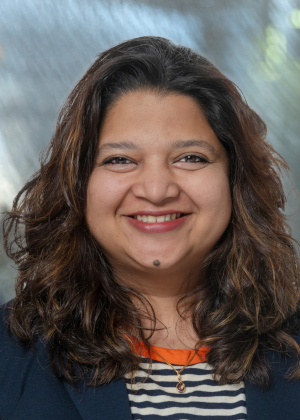
Akanksha Jain
University of Zurich
Akanksha Jain investigates human brain organoid development, tissue mechanics and morphogenesis. Her work connects developmental biology, organoid engineering and live imaging to understand how brain architecture emerges.
www.mls.uzh.ch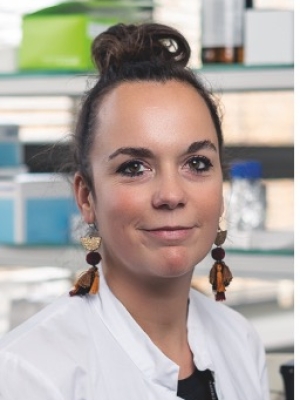
Clémentine Le Magnen
University of Basel
Clémentine Le Magnen develops patient-derived models to study prostate and urological cancers. Her research links organoid technology with translational cancer biology, therapy response and personalized medicine.
www.biomedizin.unibas.ch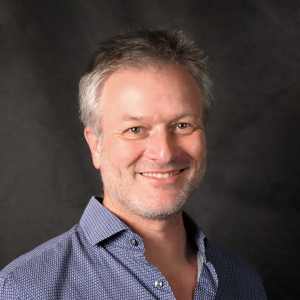
Stefan Liebau
University of Tübingen
Stefan Liebau develops human iPSC-based retinal organoids and organ-on-chip models for retinal disease research. His work combines stem cell biology, neuroepithelial disease modelling and translational approaches toward future therapies.
www.medizin.uni-tuebingen.de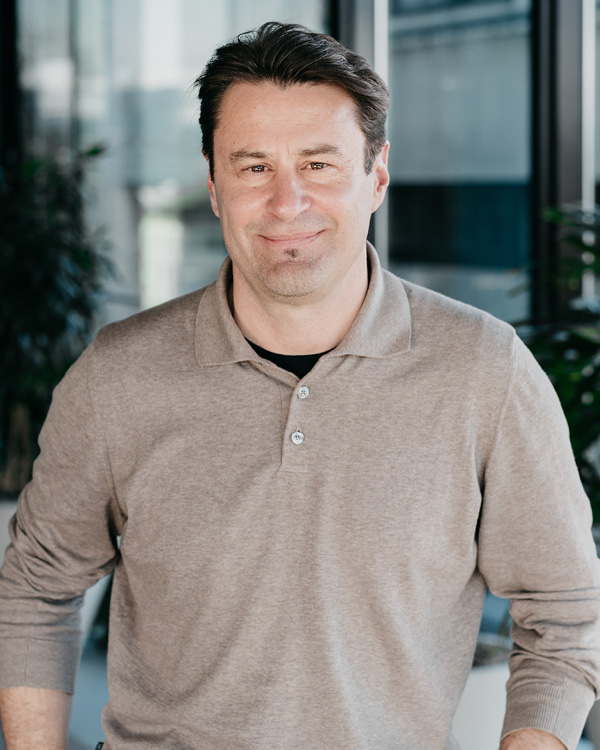
Matthias Lütolf
EPFL, Lausanne
Matthias Lütolf is a pioneer in stem cell bioengineering, synthetic matrices and engineered organoid systems. His work focuses on how cells interact with their environment to build tissues and how these principles can be harnessed for reproducible human model systems.
www.epfl.ch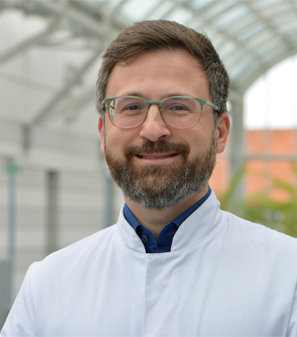
Michael Sigal
Charité, Berlin
Michael Sigal studies the gastrointestinal epithelium, its barrier function and its interactions with microbiota, inflammation and cancer. His research connects organoid models with clinically relevant questions in tissue repair, infection and tumour development.
www.mdc-berlin.de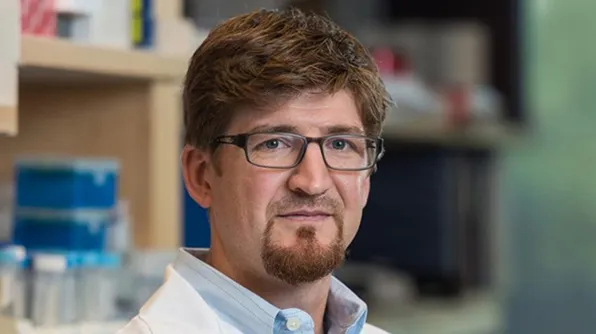
Jason Spence
University of Michigan, Ann Arbor
Jason Spence investigates how endoderm-derived organs such as the intestine and lung develop using human pluripotent stem cell-derived organoids. His work has shaped the use of complex 3D human tissues to study development, disease and regenerative biology.
www.jasonspencelab.com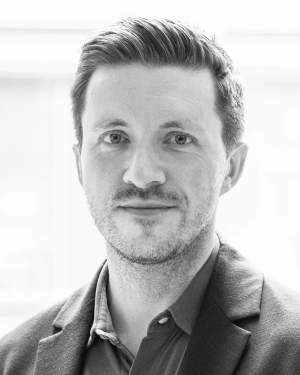
Chris Tape
UCL Cancer Institute, London
Chris Tape studies how cancer cell-intrinsic mutations interact with the tumour microenvironment through cell communication and signalling networks. His phenoscaping and organoid-based approaches reveal how multicellular tumour systems coordinate behaviour and therapy response.
www.tape-lab.com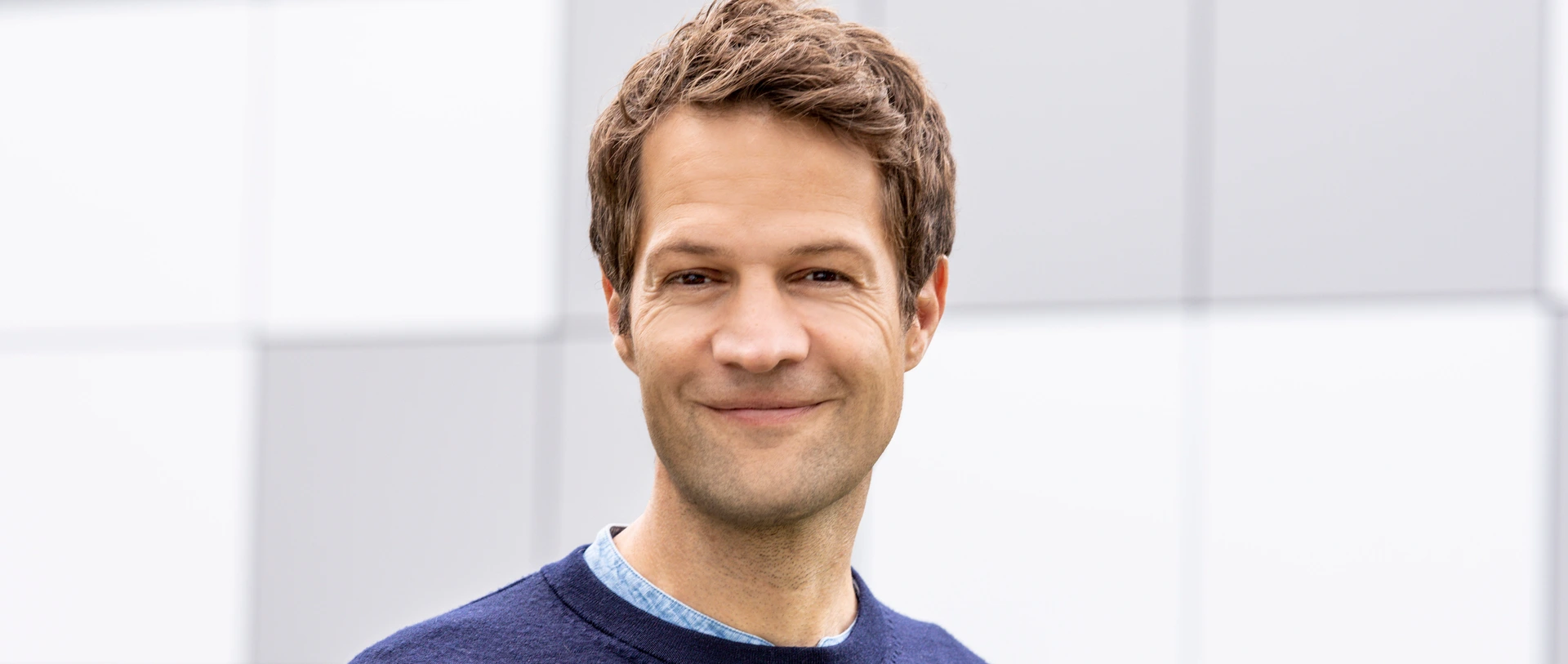
Fabian Theis
Computational Health Center, Helmholtz Munich
Fabian Theis develops machine learning and AI approaches for single-cell biology, biomedical data integration and predictive models of disease. His work is central to turning cell atlases and large-scale molecular datasets into actionable biological and medical insight.
www.helmholtz-munich.de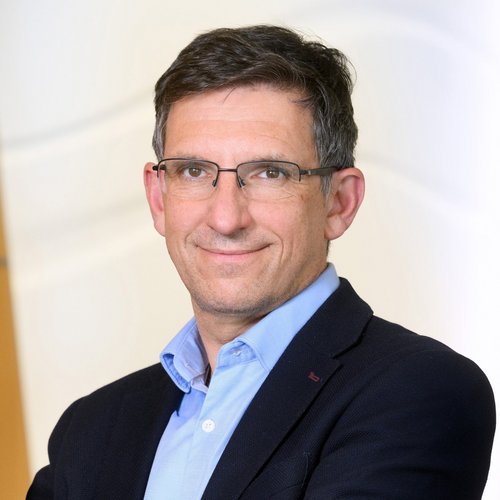
Ludovic Vallier
BIH Charité, Berlin
Ludovic Vallier uses stem cell-derived liver and hepatobiliary organoids to study human development, disease and regenerative medicine. His work connects organoid biology, cell-state plasticity and translational strategies for liver disease and cell-based therapy.
www.molgen.mpg.de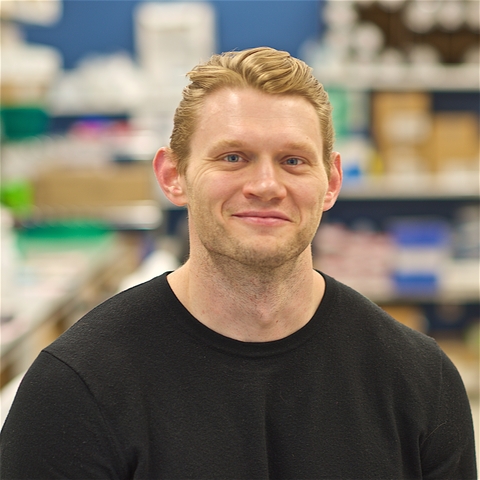
Peter Winter
Broad Institute of MIT and Harvard
Peter Winter studies how oncogenic mutations, cell states and the microenvironment cooperate to shape tumour behaviour. His work combines cancer biology, single-cell methods and computational approaches to define and target clinically relevant cancer cell states.
www.exvivo.broadinstitute.orgOur Supporters
Many thanks to our partners and supporters.